
An ACL (Anterior Cruciate Ligament) injury is one of the most common knee injuries affecting athletes, fitness enthusiasts, and even individuals involved in everyday activities. While medical treatment and rehabilitation play a significant role in recovery, exercise remains one of the most important components of healing. Proper exercises help restore strength, stability, flexibility, and confidence in movement, allowing patients to return to their normal activities safely.
If you are recovering from an ACL injury, seeking professional guidance for Knee Pain Treatment in Bommanhalli can ensure that your rehabilitation program is tailored to your specific needs and recovery goals.
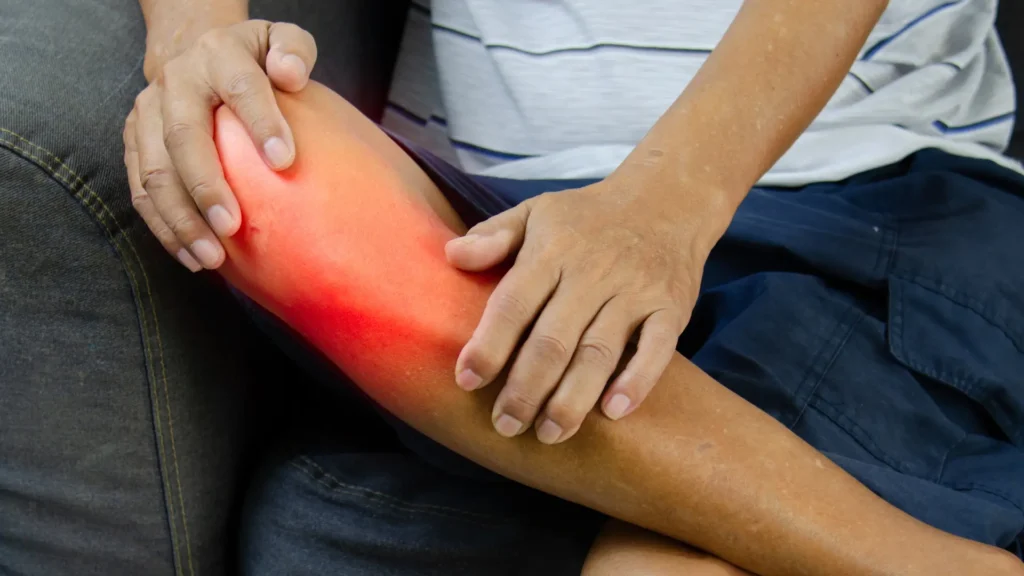
Understanding ACL Injuries
The ACL is a major ligament that stabilizes the knee joint. It can be partially or completely torn due to:
- Sudden twisting movements
- Landing incorrectly from a jump
- Quick changes in direction
- Sports-related collisions
- Accidents and falls
Common symptoms include:
- A popping sensation at the time of injury
- Knee swelling
- Pain while walking
- Instability or “giving way” of the knee
- Reduced range of motion
Without proper rehabilitation, an ACL injury can lead to long-term knee problems and an increased risk of re-injury.
Why Are Exercises Important After an ACL Injury?
1. Restore Knee Strength
Following an ACL injury, the muscles around the knee, especially the quadriceps and hamstrings, tend to weaken significantly. Strengthening exercises help rebuild muscle support and reduce stress on the injured ligament.
2. Improve Joint Stability
The ACL plays a critical role in stabilizing the knee. Rehabilitation exercises help train surrounding muscles to provide additional support, reducing the risk of instability and future injuries.
3. Regain Range of Motion
Stiffness is common after an ACL injury or surgery. Guided stretching and mobility exercises help restore normal knee movement and improve flexibility.
4. Reduce Pain and Swelling
Appropriate rehabilitation exercises promote blood circulation, reduce inflammation, and assist in the healing process, helping patients recover more comfortably.
5. Prevent Muscle Imbalances
After injury, many patients unknowingly favor the uninjured leg. Targeted exercises ensure balanced muscle development and proper body mechanics.
6. Improve Balance and Coordination
ACL injuries can affect proprioception—the body’s ability to sense movement and position. Balance training helps restore coordination and reduces the likelihood of falls or re-injury.
7. Facilitate a Safe Return to Activities
Whether returning to sports, work, or daily routines, structured rehabilitation exercises prepare the knee to handle physical demands safely and effectively.
Common Exercises Recommended After ACL Injury
Depending on the stage of recovery, physiotherapists may recommend:
Early Recovery Phase
- Ankle pumps
- Heel slides
- Quadriceps sets
- Straight leg raises
Intermediate Recovery Phase
- Mini squats
- Step-ups
- Stationary cycling
- Hamstring strengthening exercises
Advanced Recovery Phase
- Lunges
- Single-leg balance exercises
- Agility drills
- Sport-specific training exercises
It is essential to perform these exercises under professional supervision to avoid complications and ensure proper progression.
What Happens If You Skip Rehabilitation Exercises?
Neglecting rehabilitation can lead to:
- Persistent knee pain
- Joint stiffness
- Muscle weakness
- Reduced mobility
- Poor athletic performance
- Increased risk of another ACL injury
- Early knee degeneration and arthritis
Consistent exercise is often the key factor that determines the success of ACL recovery.
Tips for a Successful Recovery
Follow Your Physiotherapist’s Guidance
Every ACL injury is unique. A customized rehabilitation plan provides the best outcomes.
Stay Consistent
Regular exercise is more effective than occasional intense workouts.
Avoid Overtraining
Pushing too hard too soon may delay healing or cause re-injury.
Focus on Proper Technique
Correct movement patterns help maximize benefits and reduce stress on the knee.
Be Patient
Recovery takes time. Gradual progress is normal and important for long-term success.
When Should You Seek Professional Help?
Consult a specialist if you experience:
- Ongoing knee instability
- Persistent swelling
- Severe pain during movement
- Difficulty walking
- Limited range of motion
- Delayed recovery after ACL surgery
Professional assessment can identify any complications and optimize your rehabilitation plan.
Frequently Asked Questions (FAQ)
1. How soon should I start exercising after an ACL injury?
The timing depends on the severity of the injury and your doctor’s recommendations. In many cases, gentle exercises begin shortly after injury or surgery under professional supervision.
2. Can exercise heal a torn ACL?
Exercises cannot repair a completely torn ACL, but they are essential for strengthening the knee, improving function, and supporting recovery before or after surgery.
3. How long does ACL rehabilitation take?
Recovery varies between individuals. Rehabilitation may take several months, depending on injury severity, treatment type, and commitment to the exercise program.
4. Is walking good after an ACL injury?
Walking may be recommended during certain stages of recovery, but it should be guided by your healthcare provider or physiotherapist.
5. Can I return to sports after an ACL injury?
Many individuals successfully return to sports after completing a structured rehabilitation program and receiving medical clearance.
6. Why is physiotherapy important after ACL surgery?
Physiotherapy helps restore strength, mobility, balance, and knee function while reducing the risk of complications and re-injury.
Conclusion
Recovering from an ACL injury requires more than rest alone. Exercise plays a vital role in restoring strength, stability, flexibility, and confidence in movement. A structured rehabilitation program can significantly improve recovery outcomes and help patients return to their daily activities safely. If you are looking for expert guidance and Knee Pain Treatment in Bommanhalli, professional physiotherapy and rehabilitation support can make a significant difference in achieving a successful recovery and maintaining long-term knee health.
Contact Details
Ikshana Multispeciality & Diagnostics
Marvi Arcade, 982, 5th Main Rd, 1st Block, Kodichikknahalli,
DUO Layout, Bommanahalli,
Bengaluru, Karnataka 560076📞 Phone: +91 80500 69992
🌐 Website: www.ikshanamultispecialityanddiagnosticcentre.com