
Uterine fibroids are one of the most common non-cancerous growths affecting women during their reproductive years. While many women may have fibroids without noticeable symptoms, others can experience heavy bleeding, pelvic pain, and fertility concerns. Understanding the different types of fibroids and knowing which type is most common can help women seek timely diagnosis and treatment. Consulting the Best Gynecologist in Bommanahalli can help women receive proper evaluation and personalized care for fibroid-related concerns.
Fibroids, also known as uterine leiomyomas, are growths made up of muscle and fibrous tissue that develop in or around the uterus. Their size can vary from very small to large masses that may affect the shape and size of the uterus.
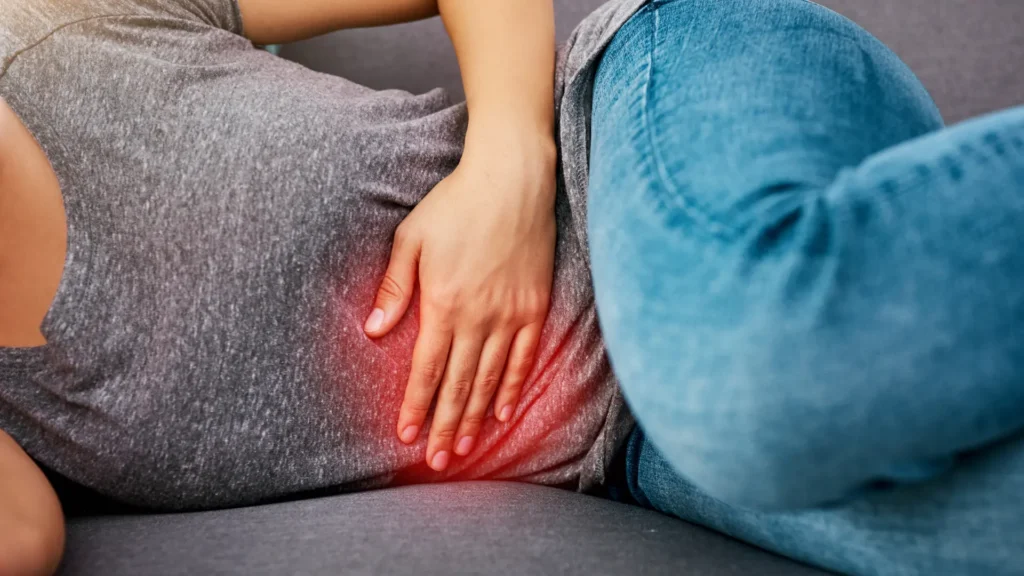
What Are the Different Types of Fibroids?
Fibroids are classified based on where they develop in the uterus.
1. Intramural Fibroids – The Most Common Type
Intramural fibroids are the most common type of uterine fibroids. These fibroids grow within the muscular wall of the uterus.
They may cause:
- Heavy menstrual bleeding
- Pelvic pressure
- Painful periods
- Frequent urination
- Enlarged abdomen
As intramural fibroids grow larger, they can stretch the uterus and create discomfort.
2. Subserosal Fibroids
These fibroids grow on the outer surface of the uterus and may press against nearby organs like the bladder or bowel.
Common symptoms include:
- Pelvic pain
- Back pain
- Frequent urination
- Constipation
3. Submucosal Fibroids
Submucosal fibroids develop just beneath the inner lining of the uterus. Though less common, they are more likely to cause:
- Heavy menstrual bleeding
- Fertility problems
- Miscarriages
Even small submucosal fibroids can produce significant symptoms.
4. Pedunculated Fibroids
These fibroids grow on stalk-like structures either inside or outside the uterus. They may sometimes twist, causing severe pain.
Why Are Intramural Fibroids So Common?
Intramural fibroids are most common because they develop within the thick muscular layer of the uterus, where fibroid growth typically begins. Hormonal factors, especially estrogen and progesterone, play a major role in their development.
Women between the ages of 30 and 50 are more commonly affected.
Symptoms of Uterine Fibroids
Some women may not experience symptoms, while others may notice:
- Heavy or prolonged periods
- Pelvic pain or pressure
- Bloating
- Pain during intercourse
- Frequent urination
- Difficulty conceiving
- Lower back pain
The severity of symptoms often depends on the fibroid’s size, location, and number.
What Causes Fibroids?
The exact cause is not fully understood, but several factors may increase the risk:
- Hormonal changes
- Family history
- Obesity
- Early menstruation
- Lifestyle factors
Fibroids are generally non-cancerous and rarely become cancerous.
How Are Fibroids Diagnosed?
Doctors may recommend:
- Pelvic examination
- Ultrasound scan
- MRI scan
- Hysteroscopy
- Blood tests
Early diagnosis can help prevent complications and improve treatment outcomes.
Treatment Options for Fibroids
Treatment depends on the size, symptoms, and future pregnancy plans of the patient.
Medications
Can help control symptoms such as heavy bleeding and pain.
Minimally Invasive Procedures
Certain procedures can shrink or remove fibroids without major surgery.
Myomectomy
A surgery to remove fibroids while preserving the uterus.
Hysterectomy
Removal of the uterus may be recommended in severe cases when childbearing is complete.
Can Fibroids Affect Pregnancy?
Yes, depending on their size and location, fibroids may affect fertility or pregnancy in some women. However, many women with fibroids still have healthy pregnancies.
Regular monitoring and expert medical guidance are important.
FAQs
1. Which fibroid is the most common?
Intramural fibroids are the most common type of uterine fibroids.
2. Are fibroids cancerous?
Most fibroids are non-cancerous and rarely turn into cancer.
3. Can fibroids go away naturally?
Some fibroids may shrink after menopause due to hormonal changes.
4. Do all fibroids require surgery?
No, treatment depends on symptoms, size, and overall health. Some fibroids only require monitoring.
5. Can fibroids cause infertility?
Certain fibroids, especially submucosal fibroids, may affect fertility in some women.
Conclusion
Understanding the different types of fibroids can help women recognize symptoms early and seek appropriate treatment. Intramural fibroids are the most common type and can cause symptoms ranging from heavy bleeding to pelvic discomfort. Early diagnosis and personalized care can help manage fibroids effectively and improve quality of life. If you are experiencing symptoms related to fibroids, consulting the Best Gynecologist in Bommanahalli can help you receive expert evaluation, accurate diagnosis, and advanced treatment options tailored to your needs.
Contact Details
Ikshana Multispeciality & Diagnostics
Marvi Arcade, 982, 5th Main Rd, 1st Block, Kodichikknahalli,
DUO Layout, Bommanahalli,
Bengaluru, Karnataka 560076📞 Phone: +91 80500 69992
🌐 Website: www.ikshanamultispecialityanddiagnosticcentre.com