
A Best Pediatrician in Bommanahalli can help parents understand which everyday baby-care products are actually necessary and which may be better avoided. Talcum powder has traditionally been used to keep a baby’s skin dry and prevent moisture-related discomfort. However, concerns about inhalation and the potential risks associated with talc have led many parents to question whether it is safe for babies.
A Medical Oncologist in Bangalore can help individuals understand how genetic mutations may influence their risk of developing cancer. While some genetic changes are inherited from parents, others develop during a person’s lifetime. Understanding the difference between inherited and acquired genetic mutations can help people make informed decisions about cancer screening, prevention, and treatment.
In this video, Dr. Siva Charan explains how genetic mutations are linked to cancer, whether they increase cancer risk, and why understanding your family history and genetic factors is important for cancer awareness and early detection.
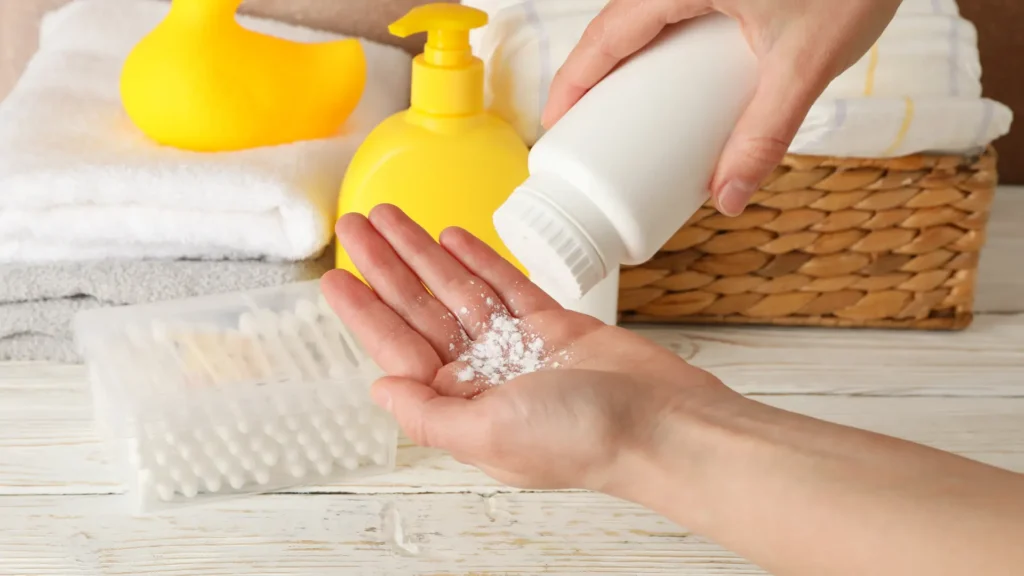
In this video, Dr. Seema Peter Gonsalves explains why parents should be cautious about using talcum powder on infants and what safer approaches can be considered for everyday baby skin care.
Baby powder is commonly used to absorb moisture, particularly around the diaper area, neck folds, and other skin creases. Many parents also believe that powder helps prevent diaper rash and keeps the baby’s skin soft and dry.
However, powder is not essential for maintaining healthy baby skin. Regular diaper changes, gentle cleaning, proper drying, and suitable diaper-rash creams can help protect the skin without creating airborne powder particles.
One of the main concerns with talcum powder is inhalation. Babies can accidentally breathe in loose powder when it is shaken or applied close to their face. Inhaling powder particles can irritate the respiratory tract and, in significant exposure, may cause serious breathing problems.
Talc itself is a mineral, but there have also been concerns about possible asbestos contamination in some talc sources. Asbestos is a known carcinogen when inhaled. This is one reason pediatric guidance advises parents to avoid talc-containing baby powders.
Not necessarily. Diaper rash is usually related to prolonged contact with moisture, urine, stool, friction, or irritation from products.
Instead of relying on powder, parents can focus on:
- Changing wet or soiled diapers frequently
- Cleaning the diaper area gently
- Allowing the skin to dry properly
- Using a suitable fragrance-free barrier cream when needed
- Giving the baby’s skin some diaper-free time
If the rash continues, spreads, becomes painful, or develops blisters or open areas, it is better to consult a pediatrician.
Some baby powders use alternatives such as cornstarch instead of talc. However, powder of any type can become airborne and may irritate a baby’s lungs if inhaled.
Therefore, parents should not assume that a talc-free powder is automatically necessary or risk-free. For routine baby care, avoiding loose powders altogether is a simple option.
For most babies, complicated skin-care routines are unnecessary. Gentle bathing, keeping skin folds clean and dry, frequent diaper changes, and using pediatrician-recommended creams when required are usually sufficient.
Parents should also avoid applying loose powders near the baby’s nose, mouth, or face and should never allow a baby to play with a powder container.
Conclusion
Talcum powder may be a traditional baby-care product, but it is not essential for keeping a baby’s skin healthy. The risk of inhaling loose powder is an important reason for parents to consider avoiding it, particularly around newborns and young infants.
If you have questions about your baby’s skin care, diaper rash, or everyday hygiene, consulting a Best Pediatrician in Bommanahalli can help you choose age-appropriate and practical care. Parents looking for a pediatrician in Kodichikkanahalli can also seek professional guidance rather than relying only on traditional baby-care practices.
FAQ’s
It is generally recommended to avoid talcum powder for newborns because of the risk of inhalation and respiratory irritation.
Yes. If loose powder is inhaled, it can irritate the baby’s respiratory system and may cause breathing problems, particularly with significant exposure.
No. Regular diaper changes, gentle cleaning, thorough drying, and appropriate barrier creams can help protect the baby’s skin without using powder.
Cornstarch-based powders do not have the same talc-related asbestos concern, but loose powder can still be inhaled. Avoiding loose powders altogether is a simple approach for babies.
If a baby’s diaper rash does not improve, keeps returning, becomes severe, or is associated with pain, sores, or other concerning symptoms, parents should consult a pediatrician.