
Knee injuries are common among athletes, fitness enthusiasts, and even people involved in everyday physical activities. One of the most important clinical tests used to diagnose ligament injuries in the knee is the Lachman Test. This simple yet highly effective examination helps doctors and physiotherapists identify possible tears in the Anterior Cruciate Ligament (ACL), which plays a crucial role in knee stability. Many patients seeking recovery and rehabilitation often look for the Best Physiotherapy Treatment in Bangalore to regain strength and mobility after ACL injuries.
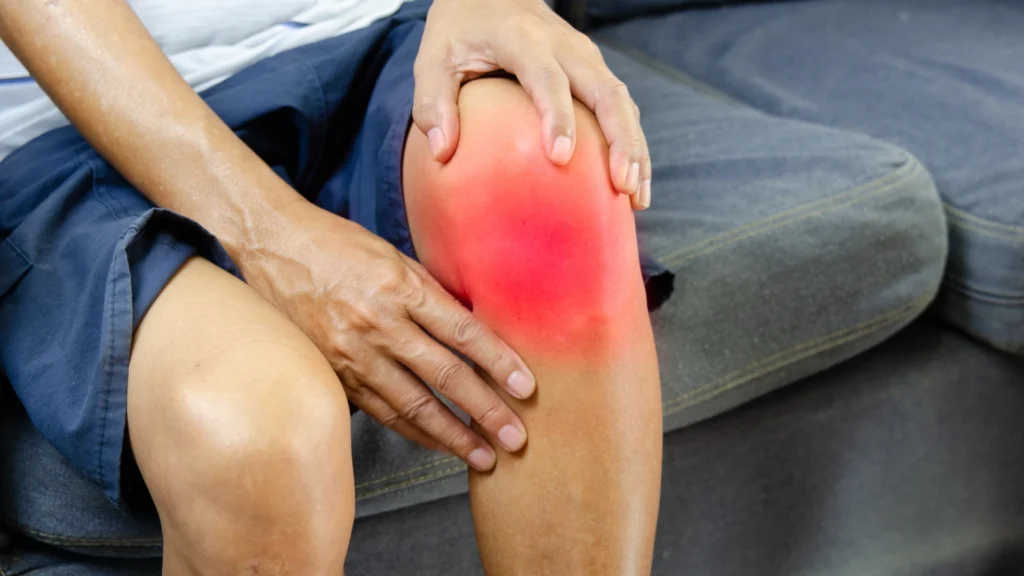
What Is the Lachman Test?
The Lachman Test is a physical examination performed to check the integrity of the ACL (Anterior Cruciate Ligament) in the knee. The ACL connects the thigh bone (femur) to the shin bone (tibia) and helps maintain knee stability during movement.
This test is commonly performed after:
- Sports injuries
- Sudden knee twisting
- Accidents or falls
- Knee instability symptoms
The Lachman Test is considered one of the most reliable methods for detecting ACL tears.
Why Is the ACL Important?
The ACL is one of the major ligaments in the knee joint. It helps:
- Stabilize the knee during movement
- Prevent excessive forward movement of the shin bone
- Support balance while running, jumping, or turning
An ACL injury can affect mobility, athletic performance, and daily activities if left untreated.
How Is the Lachman Test Performed?
During the test:
- The patient lies flat on their back.
- The knee is slightly bent, usually around 20–30 degrees.
- The examiner stabilizes the thigh with one hand.
- The shin bone is gently pulled forward with the other hand.
If the tibia moves excessively forward compared to the normal knee, it may indicate an ACL tear.
What Does a Positive Lachman Test Mean?
A positive Lachman Test usually suggests:
- Partial ACL tear
- Complete ACL rupture
- Knee instability
The severity depends on how much movement is detected and whether there is a soft or firm endpoint during the examination.
Symptoms of an ACL Injury
People with ACL injuries may experience:
- Sudden “pop” sound in the knee
- Severe pain
- Swelling
- Difficulty walking
- Knee instability
- Reduced range of motion
Early diagnosis is important to prevent further joint damage.
Treatment Options After an ACL Injury
Treatment depends on the severity of the injury, activity level, and overall health of the patient.
1. Physiotherapy
Physiotherapy is essential for:
- Reducing pain and swelling
- Improving knee strength
- Restoring mobility
- Preventing stiffness
- Enhancing balance and coordination
2. Bracing and Support
Knee braces may help stabilize the joint during recovery.
3. Surgery
Severe ACL tears, especially in athletes, may require ACL reconstruction surgery.
4. Rehabilitation Exercises
A structured rehabilitation program helps patients return safely to sports and daily activities.
Importance of Physiotherapy in ACL Recovery
Physiotherapy plays a major role both before and after ACL surgery. Proper rehabilitation helps improve muscle strength, flexibility, and knee function while reducing the risk of future injuries.
Treatment plans may include:
- Strengthening exercises
- Range-of-motion training
- Balance exercises
- Gait training
- Sports-specific rehabilitation
Choosing the Best Physiotherapy Treatment in Bangalore can significantly improve recovery outcomes and help patients return to active lifestyles safely.
Frequently Asked Questions (FAQ)
1. What is the Lachman Test used for?
The Lachman Test is used to diagnose ACL injuries in the knee.
2. Is the Lachman Test painful?
The test may cause mild discomfort if the knee is injured, but it is generally quick and safe.
3. Can the Lachman Test confirm an ACL tear?
It strongly suggests an ACL injury, but imaging tests like MRI are often used for confirmation.
4. What are common causes of ACL injuries?
Sports injuries, sudden twisting movements, falls, and accidents are common causes.
5. Can physiotherapy help ACL injuries without surgery?
Yes. Mild or partial ACL injuries may improve with proper physiotherapy and rehabilitation.
6. How long does ACL recovery take?
Recovery time varies depending on injury severity and treatment type, ranging from a few weeks to several months.
7. When should I see a physiotherapist after a knee injury?
You should seek medical attention if you experience swelling, instability, severe pain, or difficulty walking after a knee injury.
Proper diagnosis and timely rehabilitation are essential for successful recovery from ACL injuries. If you are experiencing knee pain or instability, consult experts offering the Best Physiotherapy Treatment in Bangalore for personalized care and effective rehabilitation support.
Contact Details
Ikshana Multispeciality & Diagnostics
Marvi Arcade, 982, 5th Main Rd, 1st Block, Kodichikknahalli,
DUO Layout, Bommanahalli,
Bengaluru, Karnataka 560076📞 Phone: +91 80500 69992
🌐 Website: www.ikshanamultispecialityanddiagnosticcentre.com