
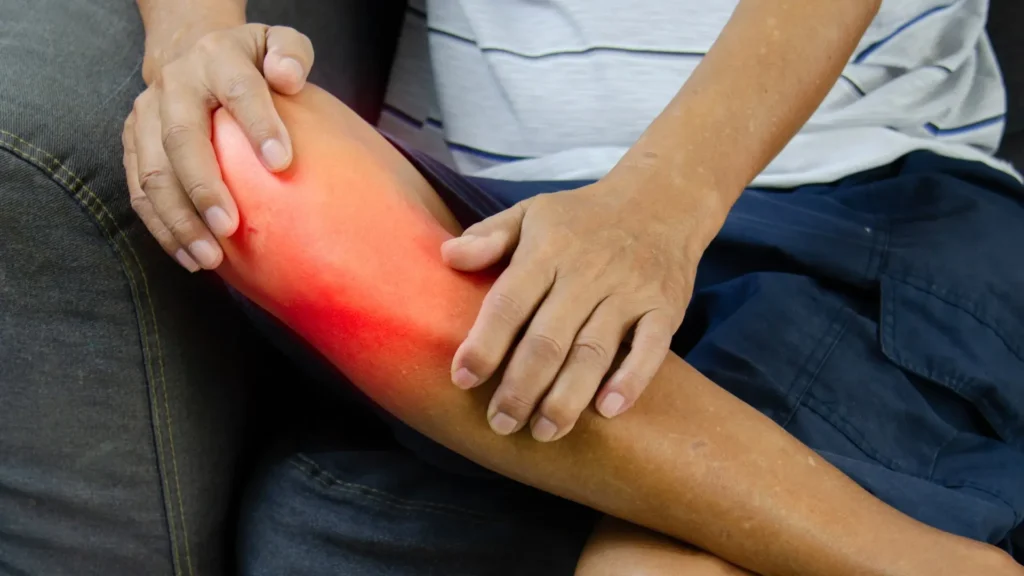
Pain on the outer side of the knee can make everyday activities like walking, climbing stairs, running, or cycling uncomfortable. One possible cause of this pain is IT Band Syndrome, a common condition seen among runners, cyclists, and people who engage in repetitive leg movements. Consulting an experienced specialist in Physiotherapy in Bommanahalli can help identify the cause of knee pain and guide appropriate treatment.
The iliotibial (IT) band is a thick band of connective tissue that runs along the outer side of the thigh, from the hip to the knee. Repetitive movements and sudden changes in physical activity can irritate the tissues around this area, resulting in outer knee pain.
In this video, Dr. Rangoli Tripathi explains why IT Band Syndrome occurs, its common symptoms, and how physiotherapy can help manage outer knee pain through appropriate exercises and rehabilitation.
IT Band Syndrome is a condition that causes pain on the outer side of the knee due to irritation of the tissues around the iliotibial band.
The IT band helps stabilise the hip and knee during activities such as walking, running, and cycling. Repetitive knee movements can contribute to irritation, particularly in people who participate in high-impact activities.
Several factors can contribute to IT Band Syndrome, including:
- Suddenly increasing running distance or workout intensity.
- Repetitive activities such as running and cycling.
- Weakness in the hip and gluteal muscles.
- Incorrect exercise techniques or sudden training changes.
- Insufficient recovery between workouts.
Identifying these contributing factors is important to prevent recurring knee discomfort.
People with IT Band Syndrome may experience:
- Pain along the outer side of the knee.
- Discomfort that increases during running or cycling.
- Pain while climbing or descending stairs.
- Tenderness around the outer knee.
- Pain that becomes noticeable after repetitive activities.
Initially, symptoms may occur only during exercise. However, continuing activities that aggravate the condition can make the discomfort more persistent.
Physiotherapy plays an important role in managing IT Band Syndrome by addressing pain, muscle weakness, and movement-related problems.
A physiotherapist may recommend:
- Strengthening exercises: To improve hip and gluteal muscle strength.
- Stretching exercises: To improve flexibility where required.
- Movement correction: To identify and improve faulty movement patterns.
- Activity modification: To reduce activities that aggravate knee pain.
- Gradual rehabilitation: To help patients safely return to running, cycling, and other physical activities.
Treatment is customised according to the patient’s symptoms, fitness level, and recovery requirements.
A few simple precautions can help reduce the risk:
- Increase workout intensity and distance gradually.
- Include hip and gluteal strengthening exercises.
- Avoid sudden changes in exercise routines.
- Allow adequate recovery between workouts.
- Do not ignore recurring knee pain.
Maintaining proper exercise techniques and balanced muscle strength can support long-term knee health.
If outer knee pain keeps returning or interferes with your daily activities, consider getting a professional assessment. Persistent pain during running, difficulty climbing stairs, and discomfort while walking should not be ignored.
A qualified physiotherapist can assess your movement, muscle strength, and symptoms to identify the underlying problem and recommend suitable rehabilitation.
Conclusion
IT Band Syndrome is a common cause of outer knee pain that can affect running, walking, cycling, and everyday activities. Identifying the underlying causes and following an appropriate rehabilitation plan can help manage symptoms and support recovery.
If you are experiencing persistent knee pain, consulting a specialist in Physiotherapy in Bommanahalli can help you receive the right assessment and treatment. An Advanced Physiotherapy Clinic in Bommanahalli can provide personalised rehabilitation to help you improve mobility, strength, and physical function.
FAQ’s
Yes. It is commonly seen among runners because repetitive knee movements can irritate the tissues around the outer knee.
Yes. Some people experience discomfort while walking, climbing stairs, or performing other daily activities.
Most cases can be managed with conservative treatment, including activity modification and physiotherapy. Surgery is rarely required.
Yes. Strengthening the hip and gluteal muscles can improve movement control and address contributing muscle weaknesses.
Recovery depends on the severity of symptoms, contributing factors, and consistency with rehabilitation. A physiotherapist can guide an appropriate recovery plan.