
In today’s digital world, artificial intelligence (AI) has become a part of almost every aspect of our daily lives. From social media feeds and online shopping recommendations to video streaming platforms and search engines, AI algorithms constantly analyze our behavior and preferences. While these technologies offer convenience and personalization, they also have a significant impact on the way we think, feel, and make decisions. Understanding this influence is essential for maintaining a healthy relationship with technology. If you are concerned about how digital habits affect mental well-being, consulting the Best Psychiatrist in Bommanahalli can help you develop healthier coping strategies and improve your overall mental health.
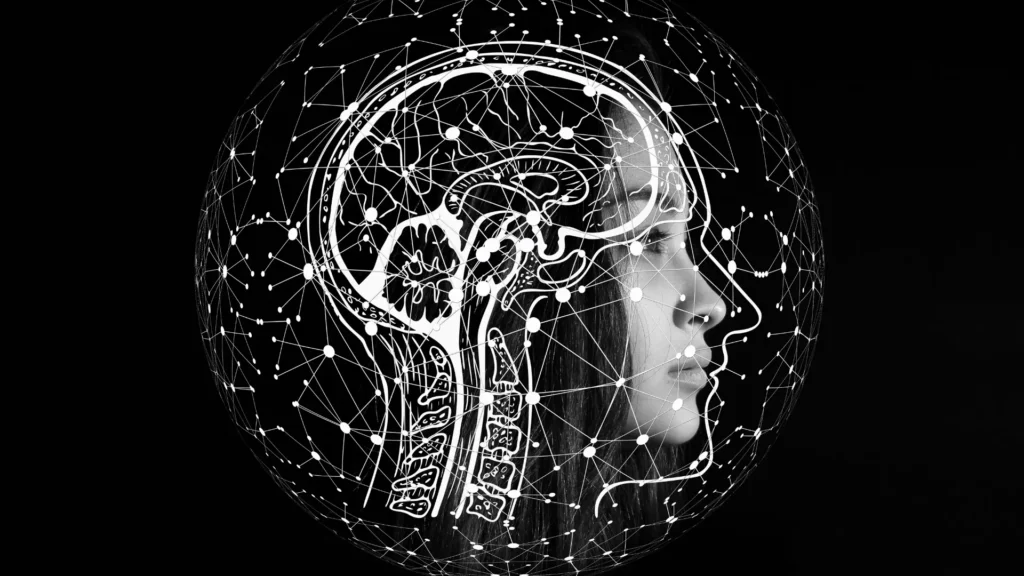
What Are AI Algorithms?
AI algorithms are sets of instructions designed to analyze data, identify patterns, and make predictions or recommendations. They learn from your online activities, including:
- What you search for
- Videos you watch
- Posts you like or share
- Products you browse or purchase
- Time spent on specific content
Based on this information, AI systems personalize your online experience to keep you engaged and interested.
How AI Influences Your Thoughts and Decisions
1. Personalized Content Shapes Perception
AI algorithms show content that aligns with your interests and beliefs. While this can make your online experience more relevant, it may also create a “filter bubble” where you are exposed only to similar viewpoints. Over time, this can influence how you perceive events, people, and opinions.
2. Increased Emotional Responses
Social media platforms often prioritize content that generates strong emotional reactions, such as excitement, anger, fear, or happiness. AI systems learn which content keeps you engaged and continue presenting similar material, potentially affecting your emotional state.
3. Reinforcement of Habits
Every click, like, and share provides data that AI uses to predict your future behavior. This reinforcement can strengthen both positive and negative habits, including excessive screen time, compulsive scrolling, and digital dependency.
4. Decision-Making Assistance
AI recommendations influence choices related to shopping, entertainment, news consumption, and even lifestyle habits. While these suggestions can be helpful, relying heavily on them may reduce independent decision-making over time.
5. Impact on Self-Esteem
Algorithms often promote highly curated and idealized content. Constant exposure to seemingly perfect lifestyles, appearances, and achievements may contribute to comparison, anxiety, and lower self-confidence, especially among adolescents and young adults.
The Psychological Effects of AI-Driven Platforms
Anxiety and Information Overload
The continuous stream of notifications, updates, and personalized content can overwhelm the brain, making it difficult to focus and relax.
Dopamine and Reward Cycles
Likes, comments, and notifications activate the brain’s reward system, releasing dopamine. This creates a cycle that encourages repeated engagement and can contribute to addictive online behaviors.
Reduced Attention Span
Frequent exposure to short-form content trains the brain to seek constant stimulation, making it harder to concentrate on longer or more complex tasks.
Social Validation Dependency
Many users begin to associate their self-worth with online interactions, leading to emotional distress when engagement levels are lower than expected.
How to Protect Your Mental Well-Being
Practice Mindful Technology Use
Be aware of how much time you spend online and the type of content you consume. Set limits when necessary.
Diversify Your Information Sources
Seek information from multiple viewpoints to avoid becoming trapped in algorithm-driven echo chambers.
Take Regular Digital Breaks
Scheduled breaks from social media and digital platforms help reduce stress and improve mental clarity.
Prioritize Real-Life Connections
Maintaining meaningful offline relationships supports emotional well-being and reduces dependence on online validation.
Monitor Emotional Responses
Pay attention to how certain content makes you feel. If specific platforms consistently increase anxiety or negativity, consider reducing your exposure.
The Future of AI and Mental Health
As AI technology continues to evolve, it will become even more integrated into daily life. Researchers, healthcare professionals, and technology companies are increasingly focusing on ethical AI development and user well-being. Understanding how algorithms influence thoughts, emotions, and behaviors empowers individuals to use technology more consciously and responsibly.
Frequently Asked Questions (FAQs)
1. How do AI algorithms affect mental health?
AI algorithms can influence emotions, behavior, attention span, and self-esteem by controlling the content users see and interact with online.
2. Can social media algorithms increase anxiety?
Yes. Constant exposure to emotionally charged content, notifications, and social comparisons can contribute to anxiety and stress.
3. What is an algorithmic filter bubble?
A filter bubble occurs when AI systems primarily show content that matches your existing beliefs and interests, limiting exposure to diverse perspectives.
4. Can AI algorithms contribute to digital addiction?
Yes. Many platforms use AI to maximize user engagement, which can reinforce compulsive scrolling and excessive screen time.
5. How can I reduce the negative effects of AI-driven content?
You can limit screen time, diversify your information sources, take regular digital breaks, and engage more in offline activities.
6. When should I seek professional help for technology-related stress?
If digital habits are causing anxiety, depression, sleep disturbances, reduced productivity, or affecting daily life, it may be beneficial to consult a mental health professional.
Conclusion
AI algorithms are powerful tools that shape much of our digital experience. While they provide convenience and personalization, they can also influence emotions, habits, attention, and decision-making. By developing awareness and maintaining healthy digital boundaries, individuals can enjoy the benefits of technology without compromising their mental health. If you are experiencing anxiety, digital addiction, mood changes, or other psychological concerns related to technology use, seeking guidance from the Best Psychiatrist in Bommanahalli can help you achieve better emotional balance and overall well-being.
Contact Details
Ikshana Multispeciality & Diagnostics
Marvi Arcade, 982, 5th Main Rd, 1st Block, Kodichikknahalli,
DUO Layout, Bommanahalli,
Bengaluru, Karnataka 560076📞 Phone: +91 80500 69992
🌐 Website: www.ikshanamultispecialityanddiagnosticcentre.com