A Medical Oncologist in Bangalore can help individuals understand how genetic mutations may influence their risk of developing cancer. While some genetic changes are inherited from parents, others develop during a person’s lifetime. Understanding the difference between inherited and acquired genetic mutations can help people make informed decisions about cancer screening, prevention, and treatment.
In this video, Dr. Siva Charan explains how genetic mutations are linked to cancer, whether they increase cancer risk, and why understanding your family history and genetic factors is important for cancer awareness and early detection.
What Are Genetic Mutations?
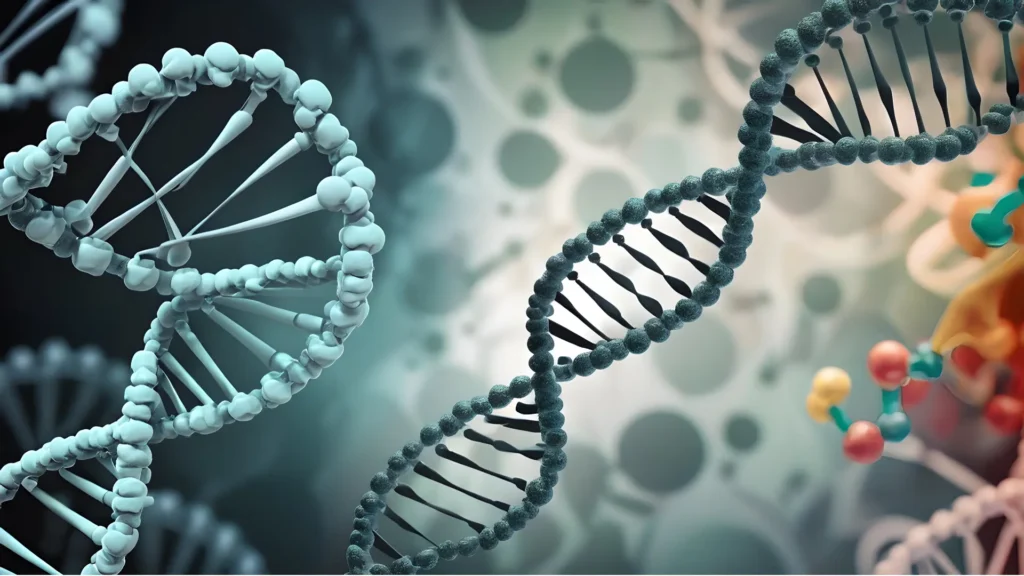
Genetic mutations are changes in the DNA sequence of a cell. DNA contains instructions that help cells grow, divide, and function properly.
Sometimes, changes in DNA can affect the way cells behave. Certain mutations may interfere with the normal processes that control cell growth and division. When these changes allow cells to grow uncontrollably, they may contribute to the development of cancer.
However, not all genetic mutations cause cancer. Many mutations have no harmful effect, while others may increase the risk of developing certain types of cancer.
Yes, some genetic mutations can increase the risk of cancer. However, having a genetic mutation does not always mean that a person will develop cancer.
Cancer risk depends on several factors, including the type of mutation, family history, age, lifestyle, and environmental exposures.
There are two main types of genetic mutations associated with cancer.
1. Inherited Genetic Mutations
Inherited mutations, also called germline mutations, are changes in DNA passed from parents to children. These mutations are present from birth and may increase the risk of developing certain cancers.
For example, inherited changes in the BRCA1 and BRCA2 genes can increase the risk of breast and ovarian cancers. Some inherited mutations may also be associated with prostate, pancreatic, colorectal, and other cancers.
Having a family history of cancer does not automatically mean that a person has an inherited mutation. However, certain patterns of cancer in a family may indicate the need for genetic counselling or testing.
2. Acquired Genetic Mutations
Acquired mutations develop during a person’s lifetime and are not passed down from parents.
These changes may occur due to:
Natural errors during cell division
Age-related changes in cells
Exposure to tobacco smoke and certain harmful substances
Ultraviolet radiation from sunlight
Other environmental or biological factors
Acquired mutations can accumulate over time. Some of these changes may contribute to cancer development, even in individuals without a family history of cancer.
Certain genes play an important role in controlling cell growth, repairing damaged DNA, and preventing abnormal cells from multiplying.
When these genes develop harmful mutations, the risk of cancer may increase.
1. BRCA1 and BRCA2
BRCA1 and BRCA2 genes help repair damaged DNA. Certain inherited mutations in these genes increase the risk of breast and ovarian cancers and may also be associated with other cancers.
2. TP53
The TP53 gene helps regulate cell growth and prevent damaged cells from multiplying. Inherited mutations in this gene can cause Li-Fraumeni syndrome, which is associated with an increased risk of several cancer types.
3. APC
The APC gene helps regulate cell growth in the intestine. Certain inherited mutations can cause familial adenomatous polyposis (FAP), a condition associated with a significantly increased risk of colorectal cancer.
4. MLH1 and MSH2
MLH1 and MSH2 are involved in DNA mismatch repair, a process that corrects errors occurring when DNA is copied. Inherited mutations in these genes can be associated with Lynch syndrome, which increases the risk of colorectal and certain other cancers.
Genetic testing may be considered for individuals with certain personal or family histories of cancer. A healthcare professional may recommend genetic counselling or testing if a person has:
- Multiple close relatives diagnosed with cancer
- Family members diagnosed with cancer at a young age
- Several relatives with the same or related cancer types
- A personal history of certain cancers associated with inherited mutations
- A known inherited cancer-related mutation in the family
Genetic testing is not necessary for everyone. A medical oncologist or genetic counsellor can assess personal and family history to determine whether testing may be appropriate.
Genetic testing can identify certain inherited mutations that may increase the risk of developing cancer.
Understanding these results may help individuals and their healthcare teams make decisions about:
- Earlier or more frequent cancer screening
- Risk-reducing measures when appropriate
- Screening recommendations for family members
- Personalised cancer prevention and follow-up plans
It is important to remember that genetic testing does not detect every possible cause of cancer and cannot predict with certainty whether someone will develop the disease.
No. Having a family history of cancer does not mean that you will definitely develop cancer.
Some families may share genetic factors that increase cancer risk. In other cases, family members may develop cancer due to shared lifestyle, environmental factors, age, or chance.
A family history of cancer is one part of assessing an individual’s overall risk. If several family members have had cancer, particularly at a younger age, discussing this history with a healthcare professional may help determine whether further assessment is needed.
Conclusion
Genetic mutations can play an important role in cancer development, but having a mutation does not always mean that cancer will occur. Understanding inherited and acquired mutations, recognising family history patterns, and seeking appropriate medical advice can help individuals make informed decisions about cancer risk assessment and screening.
If you have concerns about inherited cancer risk or a family history of cancer, consulting a Medical Oncologist in Bangalore can help you understand your risk factors and explore appropriate next steps. You can also consult a best cancer doctor in Bangalore for guidance on cancer risk assessment, genetic testing, screening, and personalised care.
FAQ’s
Certain genetic mutations can contribute to cancer by affecting how cells grow, divide, or repair damaged DNA. However, not all mutations cause cancer, and many other factors influence cancer development.
No. Most cancers are not directly inherited. Many develop because of genetic changes that occur during a person’s lifetime. Only a proportion of cancers are associated with inherited genetic mutations.
Not necessarily. Having a parent with cancer does not mean you will definitely develop it. Your risk depends on the type of cancer, family history, inherited factors, and other individual risk factors.
Genetic testing can identify certain inherited mutations associated with increased cancer risk. However, it cannot predict with certainty whether a person will develop cancer.
You may consider discussing genetic cancer risk with a healthcare professional if you have a strong family history of cancer, a known inherited mutation in your family, or concerns about your personal cancer risk.